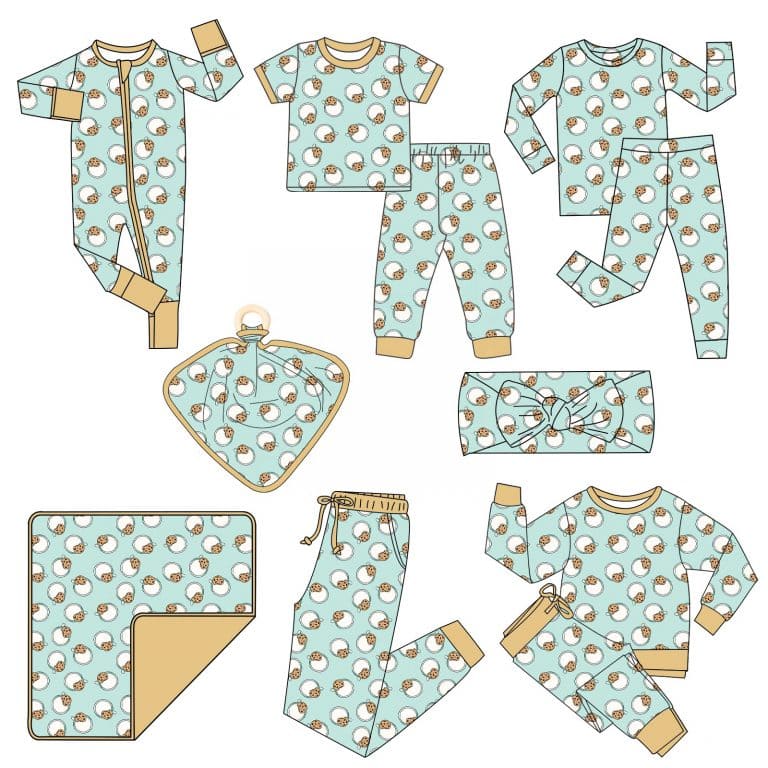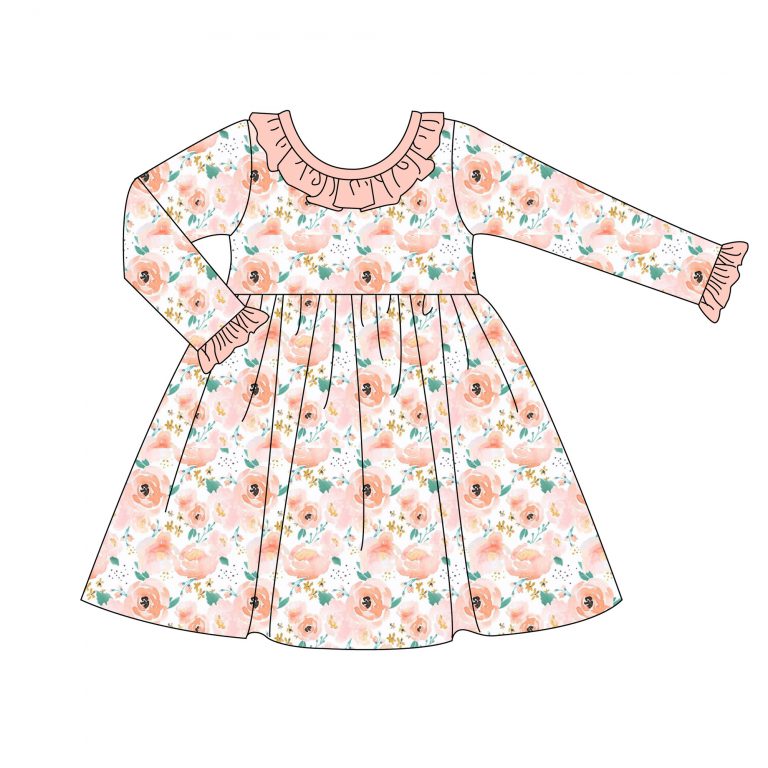

ASTM F963 bamboo pajama button bamboo pajamas books bamboo zippy pajamas Premier Manufacturers
# ASTM F963 Bamboo Pajama Button Bamboo Pajamas Books Bamboo Zippy Pajamas Premier Manufacturers In the world of…
# ASTM F963 Bamboo Pajama Button Bamboo Pajamas Books Bamboo Zippy Pajamas Premier Manufacturers
In the world of textile manufacturing, bamboo pajamas have garnered significant attention for their comfort, sustainability, and unique characteristics. The ASTM F963 standard plays a critical role in ensuring these garments meet safety and quality benchmarks. Here, we explore the fiber characteristics, certification process, and factory considerations involved in producing bamboo pajamas. Additionally, we will discuss the suitability of bamboo pajamas for different seasons.
Bamboo Fiber Characteristics
Bamboo fiber has become increasingly popular in the textile industry due to its natural properties and environmental benefits. Unlike traditional cotton, bamboo is a fast-growing plant that requires minimal water and no pesticides, making it an eco-friendly choice. The process of transforming bamboo into fiber involves crushing the bamboo stalks, soaking them in a solution to break down the cellulose, and spinning the resulting material into yarn.
One of the most appealing features of bamboo fiber is its softness. Bamboo pajamas are known for their luxurious, silky texture, which is gentle on the skin. This makes them an excellent choice for individuals with sensitive skin or allergies. Additionally, bamboo fiber is naturally antibacterial and moisture-wicking, allowing for pajamas that remain fresh and dry throughout the night.
Bamboo’s breathability is another highlight. The fiber’s porous nature promotes air circulation, which regulates body temperature efficiently. As a result, bamboo pajamas can be worn comfortably in both warm and cool conditions, making them versatile for year-round use.
ASTM F963 Certification Process
The ASTM F963 standard is a crucial component in the production of bamboo pajamas, especially for products intended for children. The certification ensures that the garments meet stringent safety requirements, thus providing consumers with peace of mind. ASTM F963 addresses aspects such as flammability, chemical composition, and mechanical safety, which are essential for textile products.
For bamboo pajamas, the certification process involves rigorous testing to evaluate the flammability of the fabric. Bamboo fiber naturally resists ignition and can self-extinguish, which is advantageous in meeting safety standards. Manufacturers must verify that the fabric complies with the ASTM F963 guidelines to ensure it poses no risk of fire hazards.
Chemical testing is another critical aspect. The certification examines the presence of harmful substances, including heavy metals and phthalates, ensuring the pajamas are non-toxic and safe for prolonged contact with skin. Bamboo’s natural growth process significantly reduces the likelihood of contaminants, but the certification process serves as an additional safeguard.
Furthermore, mechanical safety testing assesses the construction of garments, including the durability of buttons and zippers on bamboo pajamas. The ASTM F963 standard demands rigorous evaluations to prevent choking hazards and ensure robust construction that withstands daily wear and tear.

5,000 cycles
Factory Considerations for Bamboo Pajamas

Hollow fibers
The production of bamboo pajamas involves several key considerations at the factory level to ensure quality and efficiency. Firstly, sourcing sustainably grown bamboo is paramount. Manufacturers must establish relationships with reputable suppliers who adhere to environmentally friendly practices. This ensures the raw material is harvested responsibly and aligns with the brand’s commitment to sustainability.
Manufacturing facilities must also embrace eco-friendly practices. This includes using non-toxic dyes and chemicals during the production process, minimizing water usage, and implementing waste management systems. Factories that prioritize green manufacturing not only contribute to environmental preservation but also appeal to eco-conscious consumers.
Worker welfare is another critical consideration. Factories should provide fair wages, safe working conditions, and opportunities for skill development. Ethical labor practices contribute to a positive brand image and ensure that the production of bamboo pajamas aligns with global standards of social responsibility.
Technological innovation is a driving force in the manufacturing of bamboo pajamas. Advanced machinery and efficient production techniques enhance productivity and quality. Automation, for instance, can streamline processes such as yarn spinning, fabric weaving, and garment assembly, leading to reduced production times and consistent product quality.
Seasonal Use of Bamboo Pajamas
The versatility of bamboo pajamas makes them suitable for various seasons, offering comfort and practicality throughout the year. During the warmer months, the breathability of bamboo fiber is particularly advantageous. The fabric’s ability to wick away moisture keeps the wearer cool and dry, providing relief from humid conditions. Lightweight bamboo pajamas are ideal for tropical climates and summer wear.
In colder seasons, bamboo pajamas continue to offer comfort through their thermal-regulating properties. The fiber’s insulating capabilities retain warmth while still allowing air circulation, preventing overheating. Layering bamboo pajamas with other garments becomes effortless due to their lightweight nature, making them a convenient choice for winter nights.
Furthermore, bamboo pajamas’ hypoallergenic qualities make them suitable for individuals with seasonal allergies. The natural resistance to dust mites and mold reduces exposure to allergens, ensuring a restful sleep without irritation.
In conclusion, bamboo pajamas represent a harmonious blend of comfort, sustainability, and safety. The ASTM F963 certification underscores the dedication to quality and consumer protection. From thoughtful fiber characteristics to conscientious factory practices and adaptability to seasonal changes, the production of bamboo pajamas reflects a commitment to excellence. As the popularity of bamboo textiles continues to grow, manufacturers remain poised to offer innovative solutions that cater to diverse consumer needs.