
Elite Chinese Suppliers FCC Certification bamboo pajamas
Elite Chinese Suppliers FCC Certification Bamboo Pajamas Bamboo pajamas have gained popularity for their comfort, sustainability, and innovative…
Elite Chinese Suppliers FCC Certification Bamboo Pajamas
Bamboo pajamas have gained popularity for their comfort, sustainability, and innovative fabric qualities. When sourcing these products from elite Chinese suppliers, understanding the fiber science, safety certifications, production standards, and year-round comfort is crucial. This guide delves into these areas to provide a comprehensive understanding of FCC-certified bamboo pajamas.
Fiber Science of Bamboo Pajamas

Hollow fibers
Bamboo fiber is celebrated for its unique properties and sustainable production methods. Derived from the pulp of bamboo grass, the fiber undergoes a process known as viscose or rayon production. This method involves breaking down the raw bamboo into a cellulose solution, which is then spun into fibers.
The scientific structure of bamboo fiber contributes to its softness and flexibility. Unlike cotton, bamboo fibers are naturally smoother and rounder, reducing skin irritation and making them highly suitable for sensitive skin. Additionally, bamboo fibers possess micro-gaps and micro-holes, enhancing their moisture-wicking capabilities. This structure aids in thermal regulation, ensuring the fabric remains cool in summer and warm in winter.

Hollow fibers
Another noteworthy aspect of bamboo fiber is its antibacterial properties. The bamboo plant structure contains a natural bio-agent called “bamboo kun,” which retains its presence even after processing. It helps reduce bacteria growth, making bamboo pajamas an excellent choice for hygiene-conscious consumers.
Safety Certifications for Bamboo Pajamas
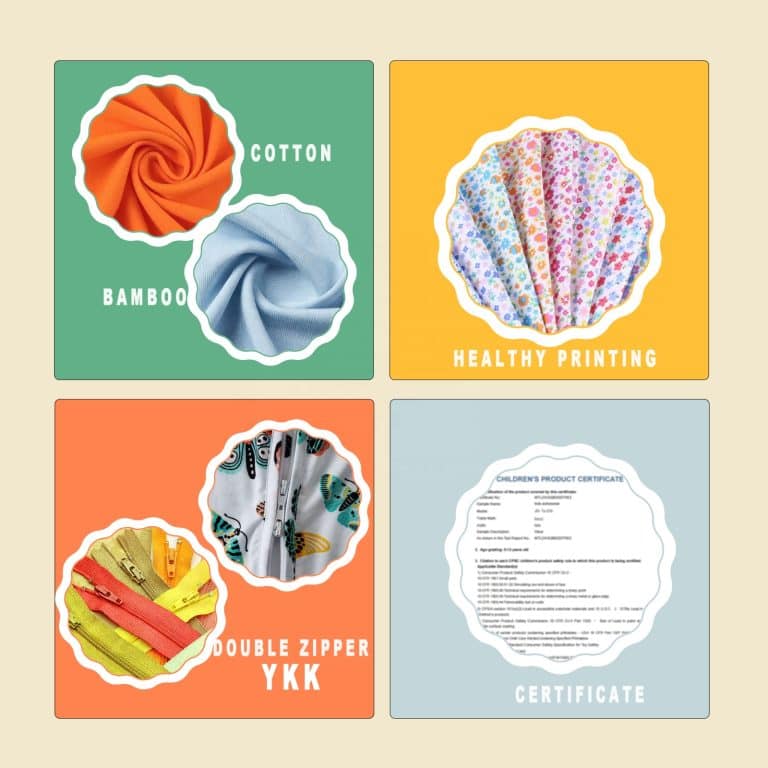
Safety certifications play a pivotal role in ensuring the quality and safety of bamboo pajamas. FCC certification, while primarily associated with electronic products, indicates adherence to specific industry standards that ensure consumer safety. In the realm of textiles, especially those imported from elite Chinese suppliers, certifications such as OEKO-TEX Standard 100 and Global Organic Textile Standard (GOTS) are highly relevant.
OEKO-TEX Standard 100 is a globally recognized certification that tests for harmful substances in textiles. Products bearing this certification have been tested for chemicals that could be harmful to human health. Ensuring that bamboo pajamas comply with OEKO-TEX standards provides assurance of their safety for all skin types.
GOTS certification ensures the organic status of textiles, from harvesting raw materials to environmentally and socially responsible manufacturing. It guarantees that the manufacturing process of bamboo pajamas adheres to high ecological and toxicological standards.
Production Standards of Elite Chinese Suppliers
Chinese suppliers known for their elite production standards in bamboo pajamas focus on sustainable practices and advanced manufacturing techniques. The production process begins with the careful selection of bamboo species, typically Phyllostachys edulis, known for its high fiber yield and fast growth.
Elite suppliers implement closed-loop processing systems to ensure minimal environmental impact. This system recycles chemicals and water used in processing bamboo into fiber, significantly reducing waste and pollution. These eco-friendly practices align with international sustainability standards and contribute to responsible sourcing.
Quality control is a critical aspect of production standards. Elite suppliers employ stringent inspection protocols at each stage of manufacturing, from fiber processing to garment construction. Advanced machinery and skilled labor ensure consistent quality in texture, color, and construction. Moreover, suppliers often invest in research and development to innovate bamboo fabric blends, enhancing durability and softness.
Year-Round Comfort of Bamboo Pajamas
Bamboo pajamas offer unparalleled comfort throughout the year due to their unique thermal regulating properties. The inherent qualities of bamboo fiber, such as breathability and moisture-wicking capabilities, contribute to this comfort. During warmer months, bamboo pajamas efficiently absorb sweat and allow it to evaporate, keeping the wearer cool and dry. The micro-gaps in the fiber ensure good airflow, preventing overheating.
Conversely, in cooler months, bamboo pajamas retain warmth due to their insulating properties. The fabric’s ability to trap warm air within its structure provides a cozy feeling, making it suitable for winter wear. This adaptability to various climates underscores bamboo pajamas as a versatile addition to any wardrobe.
Additionally, bamboo pajamas are hypoallergenic, making them ideal for individuals with sensitive skin or allergies. The fabric’s smooth texture reduces friction against the skin, preventing irritation and promoting restful sleep.
Conclusion
Understanding the fiber science, safety certifications, production standards, and year-round comfort of bamboo pajamas is essential when engaging with elite Chinese suppliers. Bamboo fiber’s scientific makeup offers a host of benefits, such as softness, antibacterial properties, and thermal regulation. Safety certifications like OEKO-TEX Standard 100 and GOTS ensure that these textiles are safe and environmentally responsible. The production standards maintained by elite suppliers guarantee high-quality garments, while the inherent comfort of bamboo pajamas provides versatile wearability across seasons. By focusing on these aspects, consumers can make informed decisions about their bamboo pajama purchases, appreciating the blend of innovation and sustainability these products represent.