
stock Baby Romper striped Pattern Baby Clothing BSCI Audit Expertise Chinese Manufacturers
# Stock Baby Romper: Striped Pattern Baby Clothing and BSCI Audit Expertise Among Chinese Manufacturers Baby rompers are…
# Stock Baby Romper: Striped Pattern Baby Clothing and BSCI Audit Expertise Among Chinese Manufacturers
Baby rompers are an essential piece of clothing for infants and toddlers, providing comfort, practicality, and a touch of style. Among the myriad of designs available in the market, striped patterns continue to be a popular choice for parents seeking a blend of classic and modern aesthetics. As the demand for such products grows, understanding the role of Chinese manufacturers, their expertise in BSCI (Business Social Compliance Initiative) audits, and the importance of quality materials is crucial. This article explores the key aspects of fiber selection, certification standards, manufacturing processes, and seasonal use, shedding light on why Chinese manufacturers stand out in the global market.

Cooler sleep
Fiber: The Foundation of Comfort and Quality
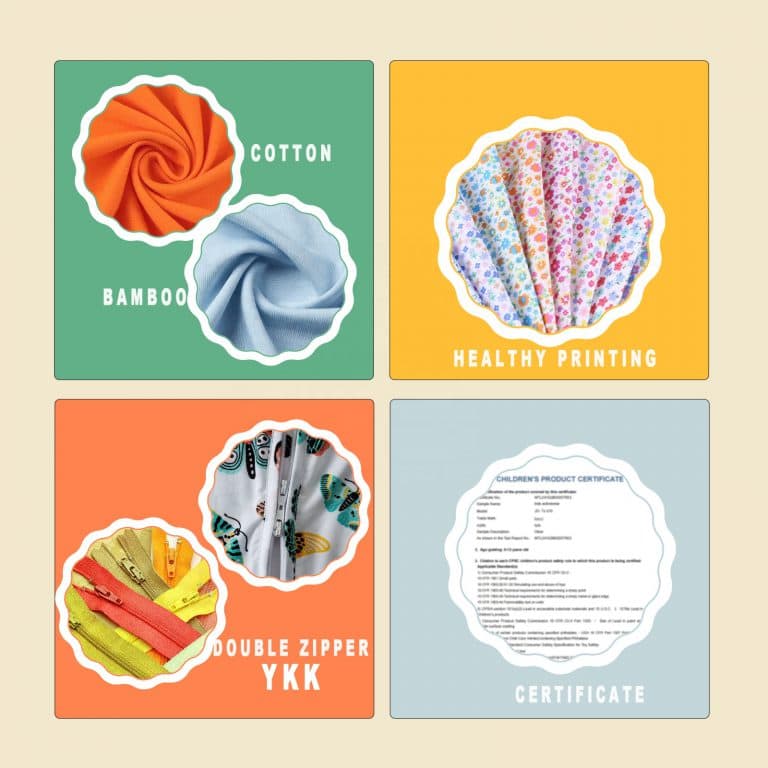
The choice of fiber is critical in manufacturing baby rompers, as it directly impacts the comfort and safety of the garment. Soft, breathable, and hypoallergenic fibers are essential to ensure a baby’s sensitive skin is not irritated. Cotton is a highly favored material due to its softness, absorbency, and natural feel. Organic cotton, in particular, is gaining popularity as it promises the absence of harmful chemicals, offering peace of mind to concerned parents.
In addition to cotton, bamboo fiber is another material used in making baby rompers. It boasts excellent breathability and thermal-regulating properties, making it suitable for different seasons. Its antibacterial nature also adds a layer of protection, reducing the risk of skin infections. Polyester blends, often added for durability and elasticity, ensure the rompers maintain their shape and color after repeated washes.
Chinese manufacturers have honed their expertise in sourcing and utilizing these fibers effectively, combining them in various ratios to achieve the desired balance of comfort, durability, and style.
Certs: Ensuring Safety and Compliance
Certifications play a pivotal role in assuring customers of the safety and quality of baby rompers. They serve as benchmarks for manufacturers, pushing them to meet stringent standards. Chinese manufacturers often adhere to international certification standards to remain competitive in the global market.

Cooler sleep
Common certifications include the OEKO-TEX® Standard 100, which tests for harmful substances in textiles, ensuring that the final product is safe for human use. Global Organic Textile Standard (GOTS) certification is also crucial for products marketed as organic. It ensures that every stage of production, from raw material to finished garment, meets rigorous environmental and social criteria.
In the context of the European market, compliance with the REACH (Registration, Evaluation, Authorization, and Restriction of Chemicals) regulation is necessary to manage chemical risks. In addition, the CPSIA (Consumer Product Safety Improvement Act) is a requirement for products distributed within the United States, focusing on lead content and phthalate limits.
Factory: Expertise in BSCI Audits and Ethical Production
The factory environment and production processes are critical components of garment manufacturing. BSCI audits are designed to ensure that factories maintain ethical working conditions, emphasizing labor rights, health and safety standards, and environmental stewardship. These audits are essential in promoting responsible business practices and building trust with international buyers.
Chinese manufacturers’ expertise in BSCI audits is noteworthy. Factories often implement a host of measures to ensure compliance, ranging from improving workplace safety to reducing environmental impact. They also invest in training programs for workers, enabling them to enhance their skills and productivity.
BSCI audits also highlight the implementation of efficient manufacturing technologies and practices, such as automation and lean manufacturing. These advancements help in reducing waste, optimizing resource usage, and improving product quality, all of which benefit both the manufacturer and the consumer.
Seasonal Use: Adapting to Changing Needs
Baby rompers are designed with versatility in mind, making them suitable for year-round use. However, certain modifications are necessary to cater to seasonal changes.
For warmer months, lightweight and breathable materials are essential. Rompers made from cotton or bamboo fibers, as previously mentioned, provide excellent ventilation and help wick away moisture, keeping babies cool and comfortable. Short-sleeved designs and sleeveless options are popular during this time, allowing for increased airflow.
In colder seasons, layering becomes vital. Long-sleeved rompers made with thicker cotton blends offer warmth while maintaining the softness required for infant wear. Fleece-lined rompers provide additional insulation, creating a cozy barrier against cold weather. The striped pattern, a timeless design, adds a stylish touch to these functional garments, ensuring that they remain fashionable regardless of the season.
In conclusion, the production of striped pattern baby rompers involves a delicate balance of fiber selection, adherence to certification standards, and ethical manufacturing practices. Chinese manufacturers, with their expertise in meeting these criteria and excelling in BSCI audits, are well-positioned to supply quality baby clothing on a global scale. By understanding the importance of these factors, consumers can make informed decisions that prioritize the safety, comfort, and style of their little ones.