
Walmart Audit rts bamboo pajama bamboo mystery box kids Expertise Manufacturers
# Walmart Audit: Bamboo Pajama & Bamboo Mystery Box for Kids Bamboo pajamas have been steadily gaining popularity…
# Walmart Audit: Bamboo Pajama & Bamboo Mystery Box for Kids
Bamboo pajamas have been steadily gaining popularity due to their eco-friendly nature and soft texture. The mystery box concept adds an element of surprise, making it appealing for children. However, understanding the intricacies of manufacturing such products, from fiber sourcing to seasonal product offerings, requires a comprehensive audit. This article delves into four critical aspects: fiber sourcing, certification, factory operations, and seasonal use.
Bamboo Fiber: The Core of Comfort
Bamboo is celebrated for its sustainable growth and low environmental impact. It grows rapidly without the need for pesticides or fertilizers, making it an excellent choice for eco-conscious manufacturers. The process begins with harvesting the bamboo, which is then broken down into fibers. These fibers are spun into yarn, forming the base for bamboo fabric, known for its softness and breathability.
When assessing the quality of bamboo fiber for children’s pajamas, it’s crucial to ensure the fibers are processed using environmentally friendly methods. The viscose process is commonly used, but it involves chemicals that can have environmental impacts if not handled properly. Manufacturers aiming for a truly sustainable product should invest in closed-loop systems that reduce waste and emissions during the fiber processing phase.
Certification: Ensuring Safety and Sustainability

5,000 cycles
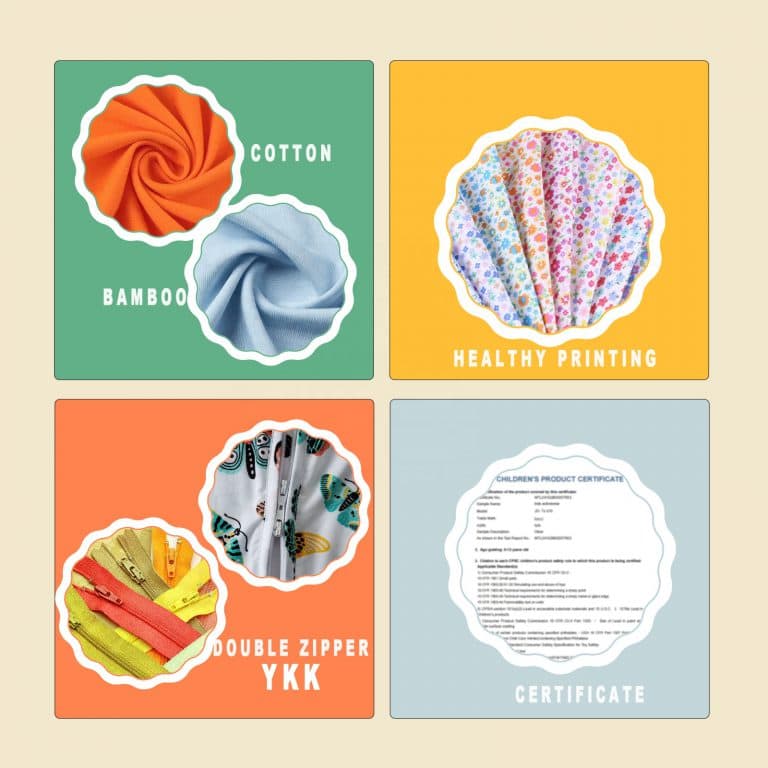
Certifications play a pivotal role in verifying the quality and safety of bamboo pajamas. For children’s apparel, it’s imperative to ensure the fabric meets stringent safety and environmental standards. Certifications like OEKO-TEX® Standard 100 confirm that the textiles are free from harmful substances. Additionally, GOTS (Global Organic Textile Standard) certification ensures that the fabric was produced in an environmentally and socially responsible manner.
Beyond material safety, certifications can also reflect ethical labor practices in the manufacturing process. A thorough audit should include verification that factories are adhering to fair labor standards, ensuring that workers operate under safe conditions and are paid fair wages. This not only impacts the quality and safety of the pajamas but also reinforces the overall brand commitment to ethical production.
Factory Operations: From Raw Material to Finished Product

5,000 cycles
The transformation from raw bamboo to finished pajamas involves multiple steps, each requiring careful oversight. Factories that specialize in bamboo garments must prioritize quality control at every stage. This includes everything from fiber treatment and dyeing to sewing and packaging.

Cooler sleep
During an audit, factory conditions should be meticulously examined. Key considerations include the efficiency of the machinery, the skill level of the workforce, and the implementation of quality control measures. Proper ventilation and clean working environments are crucial, particularly in areas where chemicals are used for processing. Furthermore, the audit should assess how factories manage waste products, ensuring minimal environmental impact.
Advanced technology in factory operations can enhance production efficiency and product quality. Automated cutting systems and precision sewing machines reduce material waste and boost production capacity, ensuring the prompt delivery of high-quality bamboo pajamas and mystery boxes to the market.
Seasonal Use: Adapting to Consumer Needs
The appeal of bamboo pajamas extends beyond their softness and eco-friendliness. One of their key features is their adaptability to different seasons. Bamboo fibers naturally regulate temperature, providing warmth in winter and breathability in summer—a perfect fit for children’s sleepwear.
To meet seasonal demands, manufacturers should design their product lines with varying thicknesses and styles. Lighter pajamas are ideal for warmer months, while thicker options can keep children cozy during cooler seasons. Versatility in design, such as short-sleeved and long-sleeved options, can cater to different climate needs, enhancing the product’s appeal across various regions.
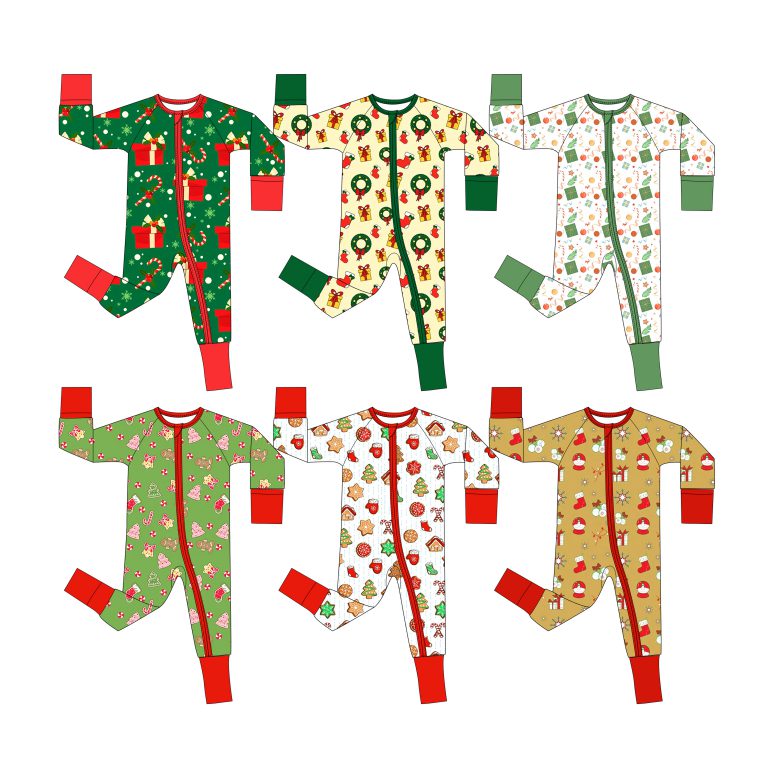
Mystery boxes add an exciting twist to seasonal offerings, with themed selections that can change throughout the year. This can include vibrant patterns and designs for spring and summer, or cozy, muted tones for autumn and winter. By strategically planning these offerings, manufacturers can maintain consumer interest and drive repeat purchases.
In conclusion, producing high-quality bamboo pajamas and mystery boxes for children involves careful consideration of fiber sourcing, certification, factory operations, and seasonal adaptability. Each aspect contributes to the overall sustainability and appeal of the product, ensuring that it meets consumer demands while maintaining ethical and environmental standards. By excelling in these areas, manufacturers can deliver products that are not only comfortable and stylish but also align with the growing demand for sustainable and responsible consumer goods.